If you drive a golf cart, you probably want it to travel farther on a single charge. Upgrading the battery is a smart way to get more range, and it can also improve performance and make trips around the course or neighborhood much more enjoyable. With all the battery types and brands out there, knowing what to choose can feel like a puzzle. I’ll guide you through what to consider so you make the right choice for your needs and budget.
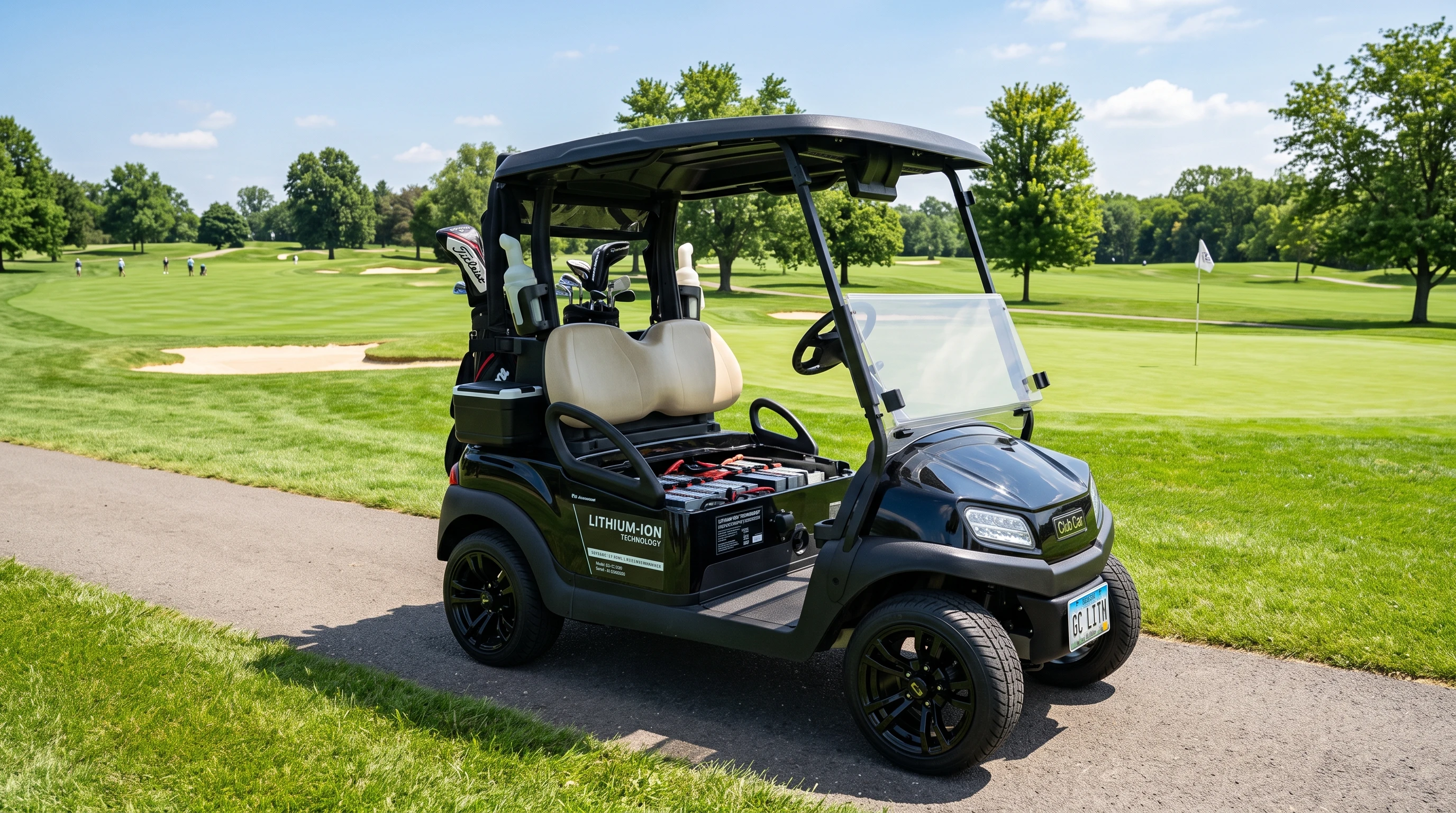
Why Upgrade Your Golf Cart Battery?
Most golf carts come with standard leadacid batteries that work fine at first but often lose capacity after a couple of years. If I’ve ever had to cut a trip short, slow down on hills, or deal with a battery that just doesn’t hold a charge, I know the frustration of limited range. Battery upgrades are the way to solve this and keep my cart running strong for years.
New battery technology in the last decade offers better options, from lithium batteries that run longer and lighter to advanced AGM (Absorbent Glass Mat) types that require almost no maintenance. As electric transportation grows, golf cart battery developments are keeping pace, providing drivers with more choices than ever.
Main Types of Golf Cart Batteries
Choosing the right battery means knowing your options. Golf cart batteries fall into three main types, each with unique benefits and tradeoffs. Here’s what I’ve learned:
- Flooded LeadAcid: The classic deepcycle battery that’s been used for decades. It’s affordable, but requires regular water checks and maintenance, and it’s heavy.
- AGM (Absorbent Glass Mat): Sealed and maintenancefree, AGM batteries are safer to use and can handle bumps and vibrations much better than regular leadacid. They typically last longer, too.
- LithiumIon: The latest in golf cart power, lithium batteries weigh a lot less, charge much faster, and deliver consistent power. They’re pricey, but can last four to five times longer than regular batteries.
Understanding the pros and cons helped me decide what fits my use and budget, whether I want to save money upfront or invest in convenience and longevity.
Key Factors When Picking a Battery Upgrade
Every golf cart and every driver is a bit different, so there isn’t a single “best” battery. I look at these factors to narrow down the right fit:
- Range: How far do I want to drive on a single charge? Lithium batteries can double or even triple the range compared to old leadacid types.
- Weight: Lighter batteries can reduce wear and tear on the cart. If I want zippier acceleration and easier hills, choosing a lighter battery is really important.
- Charging Time: I consider how long I’m willing to wait between rounds. Lithium batteries might recharge in half the time of oldschool options.
- Maintenance: If checking water levels or dealing with corrosion sounds like a hassle, sealed or lithium options let me skip the mess.
- Budget: Batteries are a big investment. Upfront price matters, but so does lifespan. Spending more at the start can pay off with fewer replacements over time.
Extra Considerations: Safety and Environmental Impact
Aside from performance and cost, it’s smart to check out the safety aspects of each battery type. Leadacid batteries, if not handled properly, can leak and harm the environment as well as present safety hazards. Modern lithium batteries typically have built-in management systems that keep things safer by preventing overcharging, overheating, and deep discharging. They are also easier to recycle or dispose of through proper channels, which is a win for going green.
Environmental awareness is growing fast among golf cart owners. As battery technology steps up, many who upgrade choose options designed for safer, more ecofriendly use. This means not just longer range, but also peace of mind knowing your choice is a bit better for the planet.
How to Measure Golf Cart Range Improvements
A longer range is the main goal for most battery upgrades, but what does that mean in real life? I learned to look past just amp-hours and voltage ratings. True range depends on:
- Battery Capacity: Higher amphour ratings mean more stored energy. More amphours equals a longer possible trip.
- Cart Load: Extra passengers, gear, or even hillier terrain can use up battery power faster. My personal driving habits affect total range.
- Age of the Cart Motor and Wiring: Old or worn out motors pull more current and drain batteries quicker. Sometimes a battery upgrade works best with new cables or a fresh motor.
Many lithium upgrades advertise twice the range of traditional batteries, but real range depends a lot on driving speed, hills, and even outside temperature. I usually talk to battery sellers about my daily route and typical usage to get a realistic range estimate.
Steps to Upgrade Your Golf Cart Battery
Making the switch to a better battery isn’t just plugandplay for every cart. Here’s the process I use:
- Check Cart Compatibility: Some carts need changes to wiring or battery trays to fit different battery sizes or formats.
- Pick the Right Voltage: Most carts use a 36V or 48V setup. Mixing and matching the wrong voltage can cause damage, so I always check the requirements first.
- Remove Old Batteries Safely: Safety gear is a priority. Old leadacid batteries can leak acid, so gloves and eye protection matter.
- Install Upgrades: Some lithium kits come with new battery trays or wiring harnesses. I make sure all connections are tight for the best results.
- Update Chargers: Not all chargers work with newer lithium or AGM batteries. Most upgrades need a compatible charger for safe, fast recharging.
What To Watch Out For with Battery Upgrades
I found a few key things to doublecheck before settling on a battery upgrade:
- Warranty: Reliable brands usually stand by their batteries with strong warranties. It gives me peace of mind if something goes wrong in the first couple years.
- Installation Support: If DIY isn’t my thing, I look for local installers or shops that offer battery swap services and aftercare.
- Recycling and Disposal: Old leadacid batteries need special recycling. Many stores offer takeback programs, saving me hassle and helping the environment.
Why Battery Chemistry Makes a Difference
Chemistry doesn’t sound exciting at first, but the choice between leadacid and lithium makes a huge difference in how my golf cart feels and runs. Lithium batteries don’t have “voltage sag,” so my cart doesn’t slow down as the charge drops. Full power lasts until the very last few minutes. Leadacid batteries, on the other hand, drop off slowly and lose pep with each mile. For longer range and reliable speed, I found lithium is hard to beat.
Price vs. Performance: What Makes Sense?
Cost is top of mind. When I weighed traditional batteries against lithium, the numbers surprised me. Lithium batteries carry a higher price upfront, but they last much longer. Some lithium brands offer eight years of use or more, which means I’m not replacing batteries every couple years. AGM is a middle ground, providing good longevity with a more affordable cost. Adding up the total cost over five or ten years can show that spending more first can save in the long run.
Real-Life Uses: When a Battery Upgrade Shines
- Golf Course Commuting: If I drive a long course or use my cart to get around a bigger property, extra battery range means less stress and more freedom.
- Neighborhood Transportation: Using a golf cart for errands or cruising around a community? A better battery means fewer slowdowns, even with extra passengers on board.
- OffRoad and Hilly Terrain: Lighter, highoutput batteries handle steep grades or gravel trails without slowing down. It makes the cart way more versatile and reliable.
Frequently Asked Questions
Question: Can any golf cart use a lithium battery?
Answer: Many modern golf carts can accept lithium upgrades, but some older models might need modifications to fit the new batteries. Checking with the cart manufacturer or a battery dealer before buying is really important.
Question: How long does a lithium golf cart battery last compared to leadacid?
Answer: Most lithium batteries last five to eight years, compared to three or four years for leadacid. Sticking to recommended charging and maintenance extends battery life even further.
Question: Do I need a special charger for lithium golf cart batteries?
Answer: Yes. Lithium batteries need a charger made for their chemistry, which protects against overcharging and helps reach full capacity safely.
If you’ve decided to upgrade your golf cart battery, taking the time to compare types, plan your installation, and budget for the right fit pays off with smoother rides and much more freedom on the course or road. Investing in the right battery can make every round a bit more fun and less stressful, with more time out there enjoying every mile.